
Vouchers · Cash-at-counter eVoucher
CashtoCode and Crypto in Pennsylvania
Inverts the usual voucher model — instead of buying a code in advance, the checkout generates one and you pay cash at a participating store. No card, no bank, no pre-purchase.
Our starting point for readers in Pennsylvania is a platform that actually holds the paperwork: a FinCEN-registered Money Services Business with a Pennsylvania Money Transmitter Licence (No. 112703) issued by the Department of Banking and Securities, plus licences across all 50 states and NMLS ID 1804170.
Reviewed & updated August 2026
CashtoCode works backwards from the other products in this hub, and the difference is genuinely useful. Rather than buying a voucher in advance and then finding somewhere to spend it, you start at the checkout of the platform you want to pay, which generates a barcode or code. You take that to a participating retail counter, pay cash, and the payment settles.
That inversion solves the main weakness of pre-purchased vouchers: stranded value. You never end up holding a code for a platform that turns out not to accept it, because the code was generated by that platform in the first place.
This page covers the mechanics, US availability, the cost picture, and how it fits the Pennsylvania cash-to-crypto landscape.
How CashtoCode works
The sequence is short. At the participating platform's checkout you select CashtoCode as the payment method and enter the amount. The system generates a code or barcode with a limited validity window. You present that at a participating retail outlet and pay in cash. Confirmation flows back to the platform and your payment completes.
Because the code is generated per transaction rather than sold as a stored-value instrument, there is no residual balance to manage and no long-lived bearer instrument sitting in your email. The validity window is short by design — this is a payment instruction, not a gift card.
On pricing, CashtoCode's own position is that it does not levy charges beyond the fulfilment fees that resellers apply. As always, the number that matters is the all-in cost including whatever the destination platform charges for the conversion itself.
CashtoCode positions itself explicitly as an alternative to Paysafecard for discreet payments, and it sits in the same family of products that participating platforms tend to support as a group.
Availability in Pennsylvania
CashtoCode operates in the United States through participating retail partners. The practical question for any given Pennsylvania buyer is which outlets near you participate, and that is best answered by the locator on the operator's own site at the time you need it — retail partnerships change.
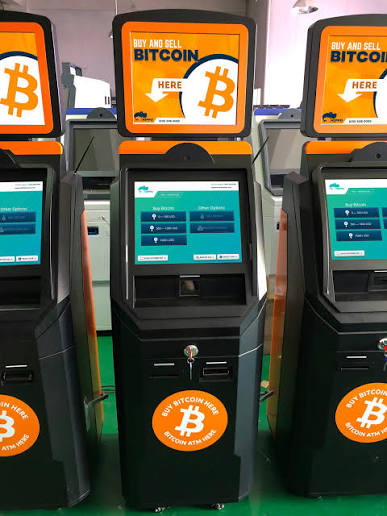
What we would flag: coverage in a network like this tends to concentrate where cash retail is densest, which in Pennsylvania means the commercial corridors of Philadelphia, Upper Darby, Reading, Allentown, Chester and Norristown rather than the affluent townships or the rural counties. That is the same distribution logic that drives crypto kiosk placement, covered in our bitcoin ATM guide.
If you are in a rural county — Cambria, Lycoming, Lawrence — check availability before planning around it. In thin-coverage areas, the practical answer is usually a credit union account rather than any cash workaround.
CashtoCode and cryptocurrency
Like every product in this hub, CashtoCode is a payment rail rather than a crypto service. It gets you crypto only when a platform that sells crypto accepts it as a payment method.
The advantage over pre-purchased vouchers is real: because the code originates at the platform's checkout, acceptance is guaranteed by construction. You cannot buy the wrong thing.
The obligation that remains is verifying the platform. Since 15 October 2024, the Pennsylvania Department of Banking and Securities expects businesses transmitting virtual currency for Commonwealth customers to hold a Money Transmitter Licence, and federal law requires FinCEN MSB registration. Check any platform in NMLS Consumer Access and the FinCEN MSB registry before you hand cash to anyone at a counter on its behalf.
Cash paid through this route is irreversible in practice. There is no chargeback on a cash retail payment.
The route that costs a fraction of any voucher
If you have a bank or credit union account, an ACH-funded purchase on a platform holding a Pennsylvania Money Transmitter Licence (No. 112703), FinCEN MSB registration and NMLS ID 1804170 costs under 1% all-in — against 5–12% for any voucher route.
The cost picture
Three components: any fulfilment fee applied by the reseller or retail partner, the destination platform's own conversion cost, and the spread that platform applies to the crypto price.
All-in, cash voucher routes in Pennsylvania typically land in the 5–12% range. That places CashtoCode below a standalone crypto kiosk at 8–23%, roughly level with supermarket cash-to-crypto kiosks, and well above a bank-funded exchange purchase at under 1%.
The structural advantage over a crypto ATM is transparency. A kiosk hides most of its cost inside an exchange rate you cannot see until after you have inserted cash. A voucher route shows you the fee and lets the platform's own published pricing do the rest. You can calculate the total before committing, which is not true of a machine in a convenience store.
Our crypto ATM fee comparison covers what those machines actually charge, operator by operator.
Fraud cautions
The per-transaction code model reduces one risk and leaves another intact.
Reduced: because codes are short-lived and tied to a specific transaction, there is no long-lived bearer instrument for someone to steal from your inbox, and no stored-value product to be resold fraudulently.
Unchanged: a caller can still direct a victim through the whole flow. The telephone fraud script adapts easily — an impersonator walks the victim through generating a code on a platform the scammer controls, then has them pay cash at a counter. The victim believes they are paying a utility bill or a court fine.
No legitimate organisation collects payment through a cash voucher network. Not PECO, PPL, Penelec or Met-Ed. Not the IRS or Social Security. Not a Pennsylvania court, sheriff's office or police department. If someone on a phone is walking you through a payment flow, hang up and call the organisation on a number you looked up yourself.
Report attempts to the PA Attorney General and IC3. See our scam guide.
Our verdict for Pennsylvania readers
Of the pure voucher products in this hub, CashtoCode's model is the most sensible. Generating the code at the destination checkout eliminates stranded value, the short validity window reduces theft exposure, and the pricing is more legible than a kiosk's.
The constraints are availability and platform choice. You need a participating retail outlet within reach, and you need the crypto platform you want to use to accept the method — which, for licensed US exchanges, is uncommon.
Our standing recommendation for Pennsylvania readers does not change. If you can open a bank or credit union account, that route costs under 1% and removes the whole question. Pennsylvania's credit union sector is deep, opening deposits are commonly five to twenty-five dollars, and several institutions offer second-chance accounts.
If that is genuinely closed to you, a cash voucher route beats a standalone crypto kiosk on cost and on transparency. That is a real benefit, and it is worth knowing this product exists.
CashtoCode — FAQ
How is CashtoCode different from a normal voucher?
The code is generated at the destination platform's checkout rather than bought in advance. You take it to a participating retail counter and pay cash. That eliminates stranded value — you can never buy a code for a platform that does not accept it.
What does CashtoCode charge?
CashtoCode's position is that it does not levy charges beyond the fulfilment fees resellers apply. The all-in cost that matters includes the destination platform's conversion cost and spread — typically 5–12% for voucher routes in Pennsylvania.
Where can I use it in Pennsylvania?
At participating retail partners, best confirmed on the operator's own locator at the time you need it. Coverage concentrates where cash retail is densest — Philadelphia, Upper Darby, Reading, Allentown, Chester, Norristown — and is thin in rural counties.
Is it cheaper than a bitcoin ATM?
Generally yes, and more transparent. Kiosks run 8–23% all-in with most of the cost hidden in an exchange rate you cannot see until after inserting cash. A voucher route lets you calculate the total before committing.
Can a scammer use this method?
Yes — a caller can walk a victim through generating a code on a platform the scammer controls. No legitimate organisation collects payment through a cash voucher network. If someone is guiding you through a payment flow by phone, hang up.
Other cash routes in this hub
Each of these behaves differently on US availability, cost and whether it reaches cryptocurrency directly or through an intermediate step.
Licensed, verifiable, and far cheaperPA Money Transmitter Licence 112703 · FinCEN-registered MSB · NMLS ID 1804170.
Get started